Înapoi la știri
New tool can find deadliest cancer years before tumors can be seen on a scan - New York Post
1 oră în urmă
4 minute min
Cristina Preda
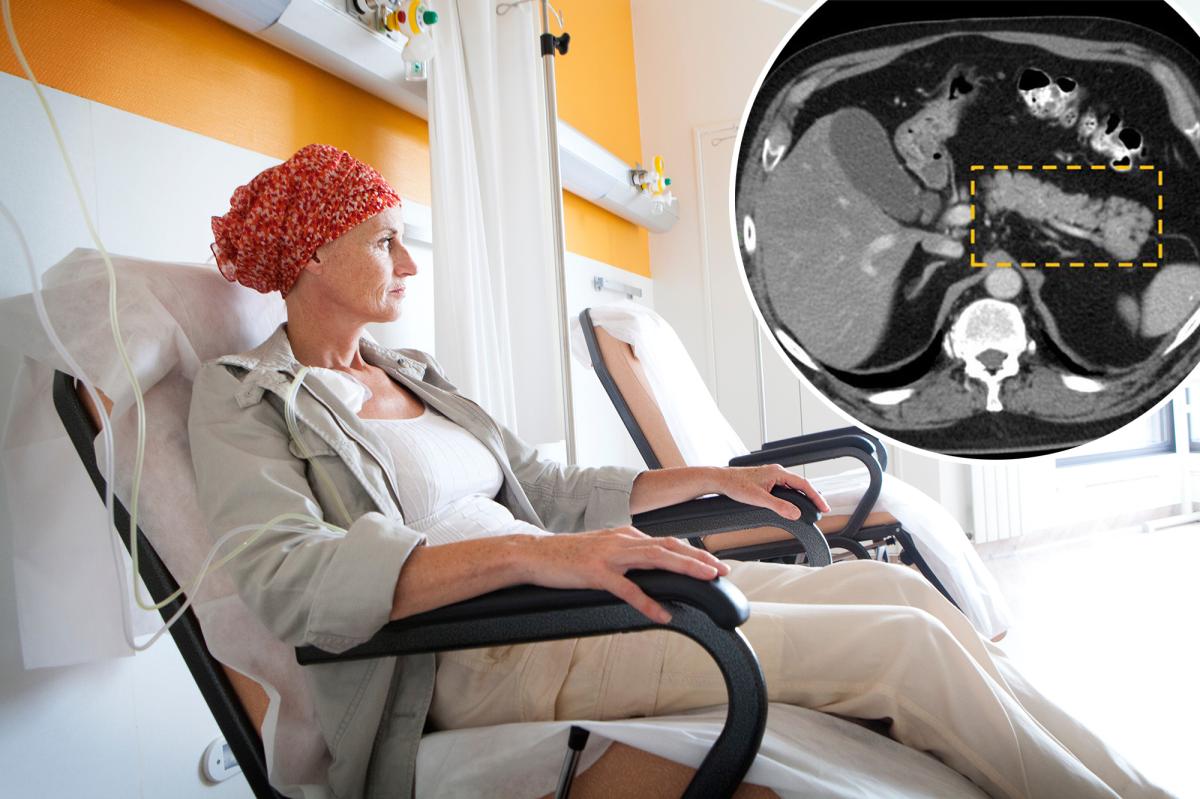
Many are split on whether AI is good for humanity, but a new AI-powered tool could prove revolutionary when it comes to cancer screenings. Pancreatic cancer is considered one of the most aggressive and difficult-to-detect cancers. It has a 13% five-year survival rate and is projected to cause more than 52,700 deaths this year, according to the American Cancer Society. An AI model developed at the Mayo Clinic could be the answer to improving those numbers since it detected abnormalities on CT scans up to three years before a pancreatic cancer diagnosis. A new artificial intelligence tool could detect a deadly cancer well before traditional scans find tumors or other signs. RFBSIP – stock.adobe.com The research, published this week in the journal Gut, evaluated scans of patients who had been screened for other conditions and later diagnosed with pancreatic cancer. Radiologists and the AI model were tasked with reviewing the scans and finding early signs of cancer. The outcome? The robot was three times better at identifying early signs that aren’t detectable by the human eye. “Early symptoms, such as back pain, fatigue, weight loss or digestive discomfort, are vague and often mistaken for other, less serious conditions,” Dr. Diane Simeone, director of Moores Cancer Center at UC San Diego Health, previously told The Post. Pancreatic cancer develops from abnormal cell growth within the pancreas, a vital organ that plays a crucial role in digestion and blood sugar regulation. An AI model was able to find early signs of pancreatic cancer in CT scans three times better than radiologists. Dr Ajit Harishkumar Goenka One thing the model was able to detect that scientists and doctors have previously struggled to find was abnormal pancreatic cells that protect the disease from immune defenses. “We knew, based on the biology of the disease, that this is not something which is coming all of a sudden in three months,” Dr. Ajit Goenka, a radiologist at the Mayo Clinic and an author of the study, told NBC. “We knew that the signal was there. We just needed to find a way to be able to detect it,” he added. Goenka’s team hopes the new medical tool, which is in clinical trials, will help those with a family history who aren’t experiencing symptoms. There’s no long-term cure for pancreatic cancer, but treatment strategies like surgery, chemotherapy, targeted therapies and immunotherapy can help manage the disease. In other AI news, a study published in the New England Journal of Medicine found that people prefer medical advice from AI bots over a doctor or online healthcare platforms, despite the information often being wrong. Some AI experts warn that these tools cannot substitute for the judgment, ethical accountability or lived experience of medical professionals. “Keeping humans in the loop isn’t optional — it’s the safeguard that protects lives,” Andy Kurtzig, CEO of the AI-powered search engine Pearl.com, previously told The Post.